
The Ultimate Cloud Security Strategy: Protecting Your Business in the Digital Age
Understanding Cloud Security
In today's digital age, securing your business's cloud infrastructure is more crucial than ever. As organizations increasingly rely on cloud services to store and manage critical data, understanding the nuances of cloud security becomes essential. This involves not only protecting data but also ensuring the integrity and availability of your services.
Cloud security encompasses a wide range of practices, from implementing robust authentication protocols to encrypting data at rest and in transit. A comprehensive cloud security strategy helps mitigate risks associated with data breaches and unauthorized access.

Identifying Potential Threats
One of the first steps in crafting a cloud security strategy is identifying potential threats. Cybercriminals are constantly evolving their tactics, making it imperative for businesses to stay ahead of the curve. Common threats include data breaches, account hijacking, and insider threats, all of which can have devastating consequences.
To effectively address these threats, organizations must conduct regular risk assessments. This involves evaluating the current security posture, identifying vulnerabilities, and implementing measures to address these weaknesses. Understanding the threat landscape is crucial in developing a proactive cloud security strategy.
Data Encryption and Access Controls
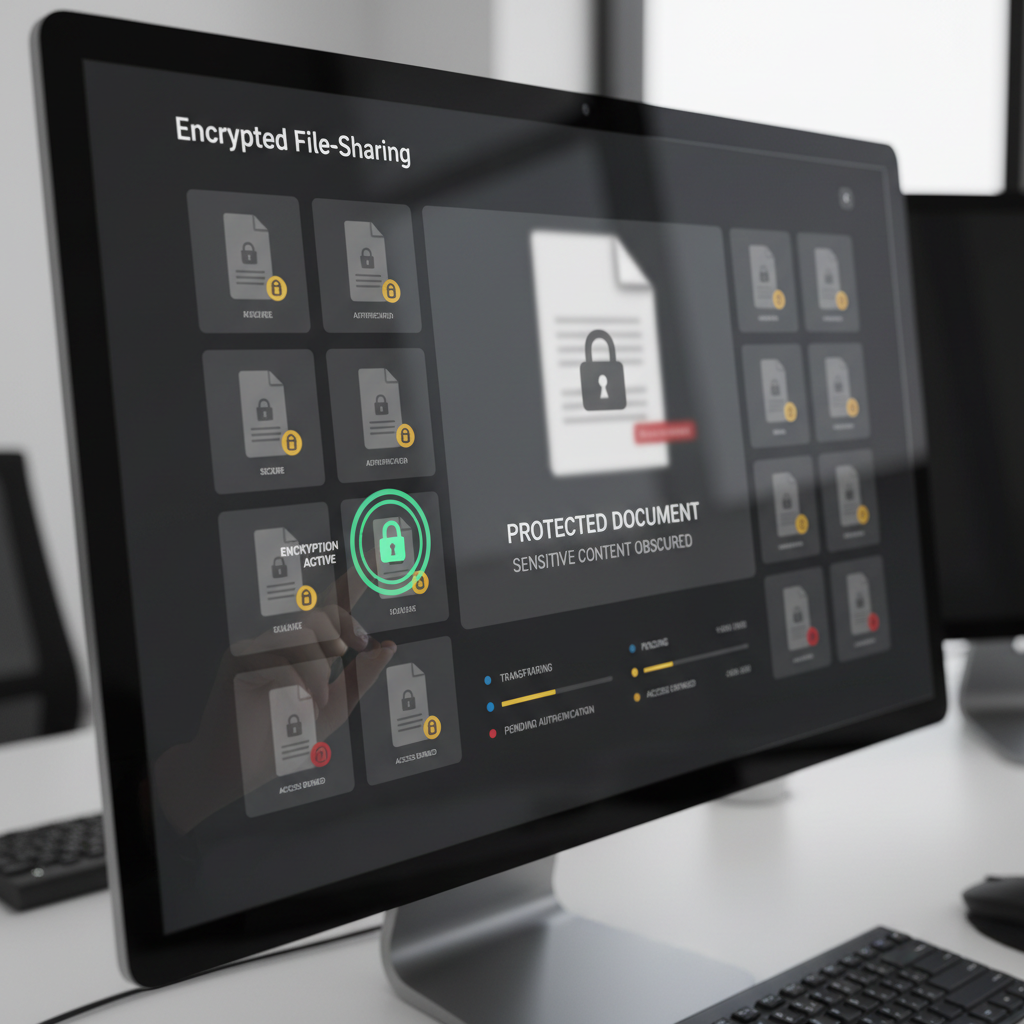
Data encryption is a fundamental component of any cloud security strategy. By encrypting data, businesses can ensure that even if unauthorized access occurs, the information remains unreadable. Implementing strong access controls is equally important, as they restrict who can view or modify sensitive data.
Implementing Multi-Factor Authentication
Multi-factor authentication (MFA) adds an extra layer of security by requiring users to verify their identity through multiple means. This reduces the risk of unauthorized access, even if login credentials are compromised. MFA can involve a combination of something you know (password), something you have (smartphone), and something you are (fingerprint).
By integrating MFA into your cloud security strategy, you significantly enhance your organization's defenses against cyber threats. This simple yet effective measure can prevent many common security breaches.
Regular Monitoring and Auditing
Continuous monitoring and regular auditing are key to maintaining a secure cloud environment. By keeping an eye on network activity and conducting periodic audits, businesses can quickly identify any unusual behavior or potential security breaches.

Training and Awareness
Educating employees about cloud security best practices is a vital part of any strategy. Human error is often a significant factor in security incidents, so providing regular training can help mitigate this risk. Employees should be aware of the latest threats and trained on how to recognize phishing attempts and other common attacks.
Creating a culture of security awareness ensures that everyone in the organization plays a role in protecting sensitive information, thereby strengthening the overall security posture.
Choosing the Right Cloud Provider
Selecting a cloud provider with robust security measures is crucial. Evaluate potential providers based on their security protocols, compliance with industry standards, and incident response capabilities. A reliable provider will offer transparency about their security practices and work with you to ensure your data is protected.
By partnering with a trusted cloud provider, businesses can leverage their expertise and resources to enhance their own security measures, providing peace of mind in the digital age.