
Seasonal Cloud Security Tips for Texas Businesses
Understanding Seasonal Cloud Security Challenges
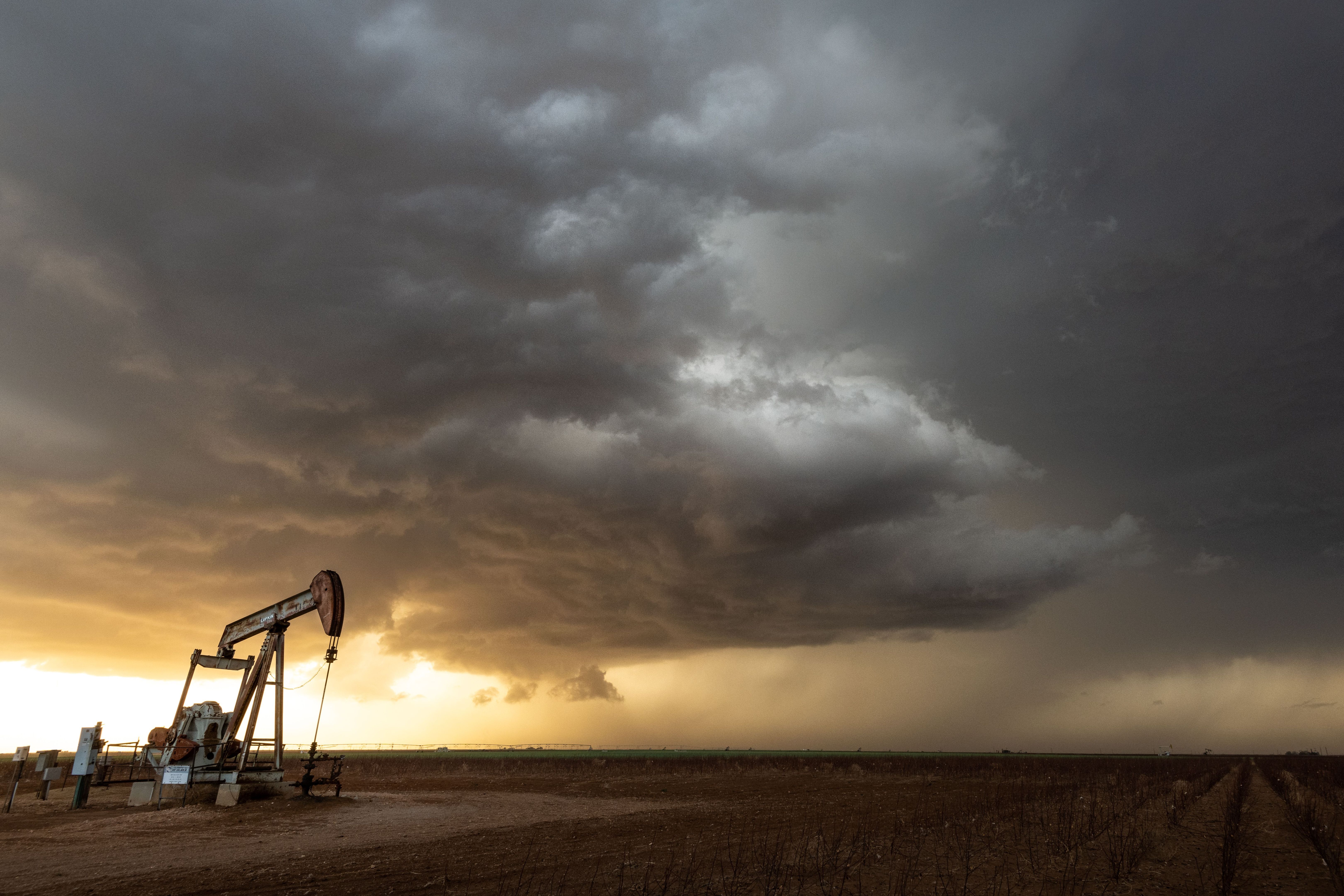
Texas, known for its dynamic climate, presents unique challenges for businesses relying on cloud services. From scorching summers to unpredictable storm seasons, the state's weather patterns can affect cloud security strategies. It's essential for businesses to adapt their security measures according to the season to ensure data protection and operational continuity.
Summer Heat: Protecting Against Overheating
During Texas summers, extreme heat can lead to overheating of on-premises servers and cooling systems. This can result in hardware failures and increased vulnerability. Businesses should consider shifting more workloads to the cloud, where data centers are equipped with advanced cooling technologies. Additionally, ensure that your cloud provider has robust disaster recovery plans tailored for high-temperature scenarios.
Implementing a hybrid cloud solution can also help mitigate risks by balancing workloads between local servers and cloud resources. This strategy not only provides flexibility but also enhances resilience against hardware malfunctions caused by heat.
Preparing for Storm Season: Data Backup and Recovery
Texas businesses must also prepare for severe weather, including hurricanes and thunderstorms. Such conditions can lead to power outages and connectivity issues, potentially disrupting access to cloud services. Establishing a comprehensive data backup and recovery plan is crucial. Regularly back up data to multiple cloud locations to ensure availability, even if one data center is affected.

Furthermore, businesses should review their cloud provider’s Service Level Agreements (SLAs) to understand the extent of their disaster recovery capabilities. Ensure that SLAs include guarantees for uptime and data accessibility during adverse weather conditions.
Ensuring Security During Seasonal Changes
Seasonal transitions can be an ideal time to review and update security protocols. As weather patterns change, so might the threats to your cloud infrastructure. Regularly update software and security patches to protect against vulnerabilities. Conduct security audits to identify any potential risks and address them proactively.
Employee training is another critical aspect. Educate staff about the importance of cloud security, especially during seasonal changes. This can include recognizing phishing attempts or understanding the protocols in case of data breaches.

Leveraging Cloud Features for Enhanced Protection
Modern cloud platforms offer a variety of features designed to enhance security. Utilize multi-factor authentication (MFA) for accessing cloud services to add an extra layer of security. Implement encryption for data both at rest and in transit to safeguard sensitive information.
Consider using cloud-native security tools that provide real-time monitoring and alerts for suspicious activities. These tools can help businesses respond swiftly to any security threats, minimizing potential damage.
Conclusion: Adapting to Texas's Climate
In conclusion, Texas businesses must embrace a proactive approach to cloud security, adapting to the state's unique climate challenges. By understanding seasonal risks and leveraging the right tools and strategies, businesses can ensure their cloud environments remain secure and resilient throughout the year.