
Myths About Cloud Security: What You Need to Know
Understanding Cloud Security Myths
As businesses increasingly migrate to cloud services, concerns about security often surface. Despite the widespread adoption of cloud technology, several myths persist, causing unnecessary anxiety. Understanding these myths can help you make informed decisions for your organization.

Myth 1: Cloud Is Inherently Insecure
One of the most common misconceptions is that cloud environments are less secure than traditional on-premises solutions. However, cloud providers invest heavily in security measures, often exceeding those of individual companies. They employ advanced technologies and dedicated teams to monitor and protect data.
It's important to remember that security is a shared responsibility. While cloud providers ensure the infrastructure's safety, businesses must manage access controls and data protection strategies.
Myth 2: Data in the Cloud Is More Vulnerable to Breaches
Another prevalent myth is that storing data in the cloud makes it more susceptible to breaches. In reality, cloud providers use cutting-edge encryption and security protocols to safeguard information. Data breaches often result from inadequate user practices rather than cloud vulnerabilities.
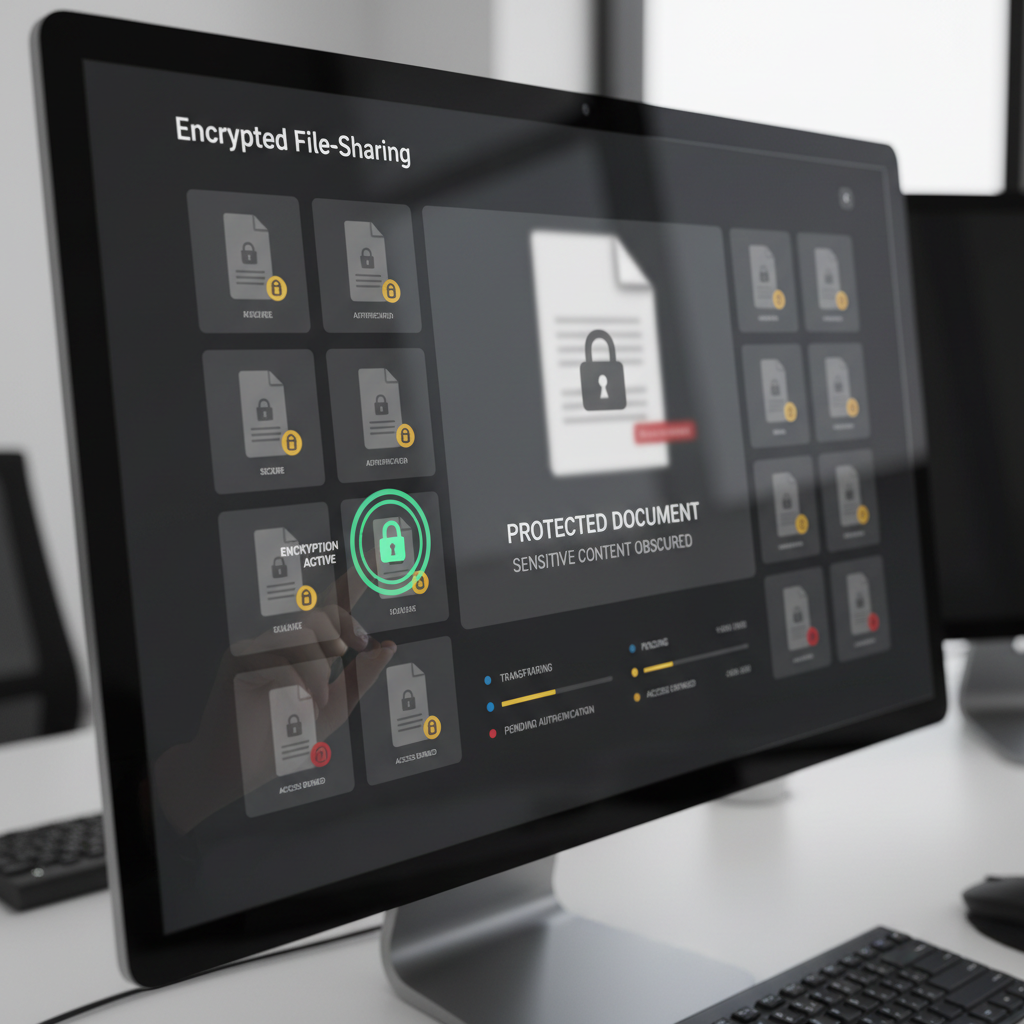
Companies need to implement strong passwords, multi-factor authentication, and regular security audits to protect their cloud environments effectively.
Debunking Cloud Security Myths
Myth 3: Cloud Providers Have Full Access to Your Data
Many people believe that cloud providers can access their data at any time. While providers maintain the infrastructure, they do not typically access customer data without explicit permission. Privacy policies and compliance standards guide the handling of sensitive information.
To ensure data privacy, businesses should choose providers with robust compliance certifications, such as ISO 27001 and GDPR.

Myth 4: It's Difficult to Comply with Regulations in the Cloud
Compliance can indeed be a complex issue, but most cloud providers offer tools and services to help businesses meet regulatory requirements. They provide detailed documentation and support to facilitate compliance efforts.
By partnering with a reputable provider, companies can navigate regulatory landscapes more efficiently while leveraging the cloud's scalability and flexibility.
Making Informed Decisions
Understanding these myths is crucial for businesses considering cloud adoption. By recognizing the realities of cloud security, organizations can leverage cloud technology's benefits while maintaining robust security measures.
As with any technology, due diligence and continuous education on best practices will ensure that your cloud environment remains secure and efficient.