A Comprehensive Guide to Secure Cloud Setup for the Holiday Season
Understanding the Basics of Cloud Security
As the holiday season approaches, businesses often experience a surge in online activity. This makes it crucial to ensure that your cloud setup is secure. Understanding the basics of cloud security is the first step in safeguarding your data. Cloud security involves a set of policies, technologies, and controls aimed at protecting data, applications, and the infrastructure of cloud computing.
Start by understanding the shared responsibility model. This model highlights that both the cloud service provider and the customer have roles in ensuring security. While providers typically manage the security of the cloud infrastructure, customers are responsible for securing their data and applications.

Choosing the Right Cloud Service Provider
Selecting a reliable cloud service provider is paramount. Look for providers that offer strong security measures, such as encryption, robust authentication, and compliance with industry standards like ISO 27001 or SOC 2. Additionally, check their track record for uptime and data breach incidents.
Consider the level of support they provide, especially during peak times like the holiday season. A provider with 24/7 customer support can be invaluable in quickly addressing any security concerns or technical issues that may arise.

Implementing Strong Authentication Methods
One of the most effective ways to secure your cloud setup is by implementing strong authentication methods. Use multi-factor authentication (MFA) to add an extra layer of security. This requires users to provide two or more verification factors to gain access, significantly reducing the risk of unauthorized access.
Ensure that your team is educated on the importance of secure passwords and is encouraged to use password managers to maintain strong, unique passwords for each account.
Encrypting Your Data
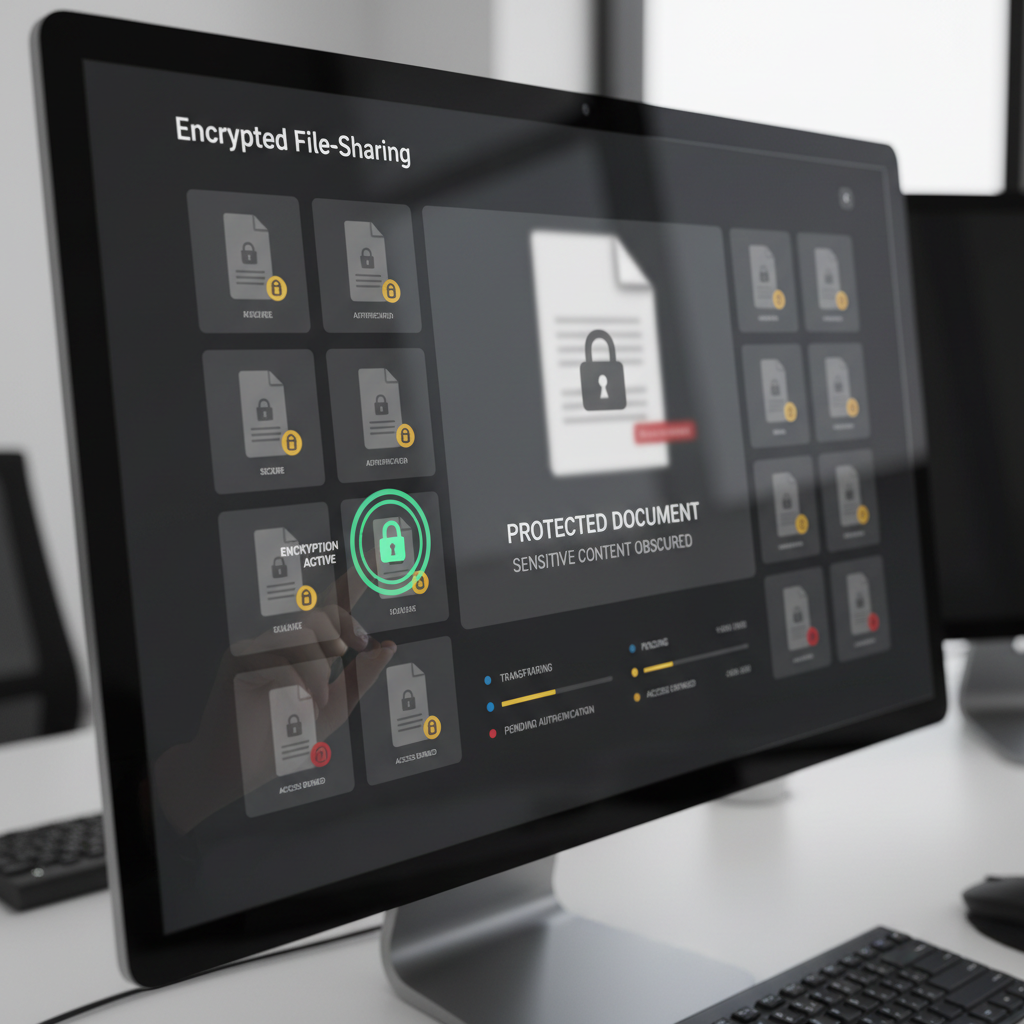
Data encryption is a vital component of a secure cloud setup. Encrypt data both at rest and in transit to protect it from unauthorized access. This ensures that even if data is intercepted, it remains unreadable to malicious actors.
Most cloud providers offer encryption services, but it’s essential to understand the specifics of how your provider handles encryption. Consider using additional encryption tools if needed to bolster security further.
Regularly Monitoring and Auditing Your Cloud Environment
Continuous monitoring and regular audits of your cloud environment are crucial for maintaining security. Implement tools that provide real-time monitoring and alerts for any suspicious activities.
Perform regular security audits to identify vulnerabilities and address them promptly. This proactive approach helps in minimizing risks and ensures that your cloud setup remains secure throughout the holiday season and beyond.
Educating Your Team on Security Best Practices
Empowering your team with knowledge about cloud security best practices is essential. Conduct regular training sessions to keep everyone informed about the latest security threats and prevention strategies.
Encourage a culture of security awareness where employees feel responsible for protecting company data. This includes recognizing phishing attempts and understanding the importance of reporting any suspicious activity immediately.

Preparing for Incident Response
Despite best efforts, security incidents can still occur. Having a well-defined incident response plan is crucial for minimizing damage and recovering quickly. Ensure your plan includes clear steps for identifying, containing, and eradicating threats.
Test your incident response plan regularly to ensure its effectiveness. This will help your team respond swiftly and efficiently in the event of a security breach.
Backup and Recovery Strategies
Implementing robust backup and recovery strategies is a critical aspect of cloud security. Regularly back up your data and verify that these backups can be restored successfully. This ensures business continuity even in the event of a data loss incident.
Consider using automated backup solutions to simplify the process and reduce the risk of human error. Ensure your backup data is also encrypted and stored securely.